

Introduction
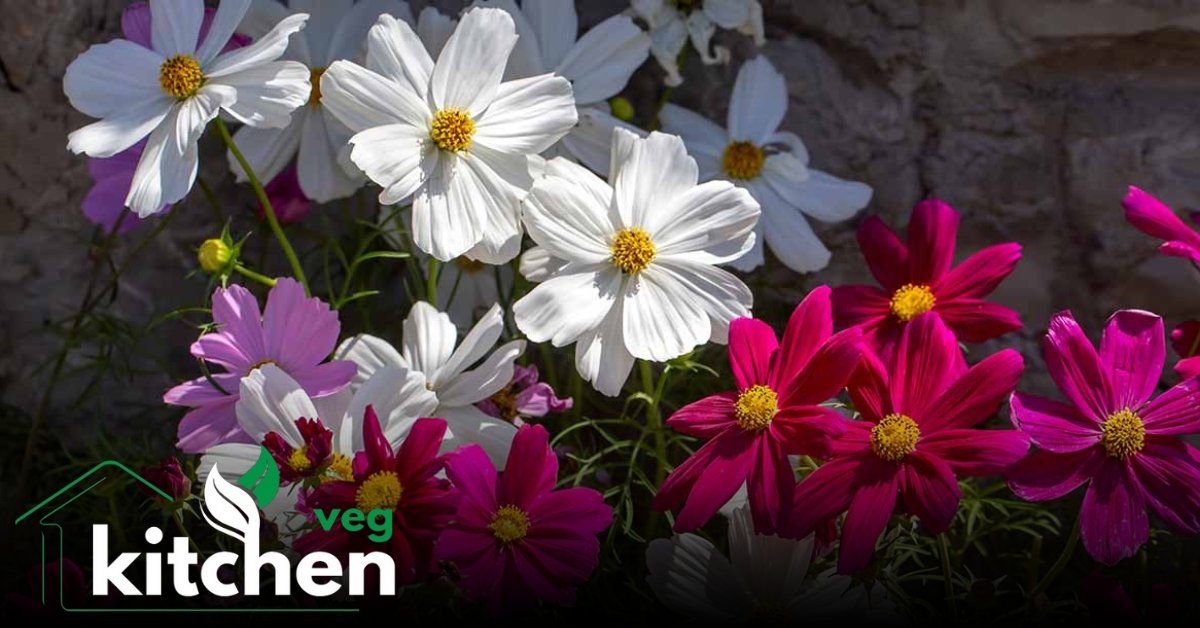
The cosmos flower, belonging to the genus Cosmos in the Asteraceae family, is a famous and beloved garden plant known for its vibrant colors and delicate, daisy-like blooms. Originating from Mexico, cosmos flowers have gained widespread popularity due to their ease of growth, extended blooming period, and ability to attract pollinators like bees and butterflies.
This article delves into various aspects of the cosmos flower and broccoli flower, from their botanical characteristics and history to cultivation practices and their significance in different cultures.
4o
Botanical Characteristics
Cosmos flowers are herbaceous annuals or perennials that can grow up to 6 feet tall, depending on the species. They possess finely divided, feathery foliage and sturdy, slender stems that support their flower heads.
The blooms are typically 2 to 4 inches in diameter, featuring a central disc surrounded by radiating ray florets. The color palette of cosmos flowers includes shades of pink, white, red, yellow, and orange, making them a visually striking addition to any garden.
Species and Varieties of cosmos flower
Cosmos bipinnatus: Known as garden cosmos, it is the most common species. It produces large, showy flowers in a range of colors and can grow up to 4 feet tall.
Cosmos sulphureus: Also called yellow cosmos, it thrives in hot, dry conditions and features bright yellow or orange flowers.
Cosmos atrosanguineus: Referred to as chocolate cosmos, this species is noted for its rich, dark maroon blooms and faint chocolate scent.
History and Origin
The cosmos flower’s name is derived from the Greek word “kosmos,” meaning harmony or order, reflecting the plant’s balanced and orderly petal arrangement. Native to Mexico, cosmos flowers were cultivated by Spanish missionaries in their mission gardens. They were later introduced to Europe and other parts of the world during the 16th century, quickly becoming popular in ornamental gardens.
Growing Conditions
Cosmos flowers are remarkably resilient and adaptable, thriving in a variety of growing conditions. They are ideal for beginner gardeners due to their minimal care requirements.
Soil Requirements
Cosmos prefer well-drained soil and can tolerate poor, sandy soils. However, they perform best in soil that is moderately fertile, with a pH range of 6.0 to 7.0. Overly rich soil can lead to excessive foliage growth at the expense of flower production.
Light and Temperature
These sun-loving plants require full sunlight for at least 6 to 8 hours a day. While they can tolerate partial shade, insufficient light can result in leggy plants with fewer blooms. Cosmos flowers are heat-tolerant and can endure high temperatures, making them suitable for warm climates.
Planting and Propagation
Planting the cosmos is a straightforward process that can be done through seeds or transplants.
Starting from Seeds
Cosmos seeds can be sown directly in the garden after the last frost date. Scatter the seeds on the soil surface and lightly cover them with soil. Germination typically occurs within 7 to 10 days. For an earlier start, seeds can be sown indoors 4 to 6 weeks before the last frost and transplanted outdoors once the danger of frost has passed.
Transplanting Seedlings
When transplanting, space the seedlings 12 to 18 inches apart to allow for proper air circulation and growth. Water the young plants thoroughly after planting to help establish their roots.
Care and Maintenance
Cosmos flowers are low-maintenance plants that require minimal care once established.

Watering
Cosmos are drought-tolerant and prefer to be kept dry. Water the plants deeply but infrequently, allowing the soil to dry out between watering sessions. Overwatering can lead to root rot and other fungal diseases.
Fertilization
Excessive fertilization can result in lush foliage with fewer flowers. It is advisable to avoid high-nitrogen fertilizers. Instead, a balanced, slow-release fertilizer applied sparingly can support healthy growth and blooming.
Pruning and Deadheading
Regular deadheading, or the removal of spent blooms, encourages continuous flowering and prevents the plants from becoming leggy. In late summer, cutting back the plants by one-third can promote a fresh flush of flowers in the fall.
Pests and Diseases
Cosmos flowers are relatively pest and disease-resistant. However, they can occasionally be affected by common garden pests and diseases.
Common Pests
Aphids: These small, sap-sucking insects can cause distorted growth and are often found on new growth. They can be controlled with insecticidal soap or by attracting natural predators like ladybugs.
Spider Mites: These tiny pests thrive in hot, dry conditions and can cause stippling and yellowing of leaves. Regular watering and maintaining humidity can help deter them.
Common Diseases
Powdery Mildew: This fungal disease appears as a white, powdery coating on leaves and stems. It can be prevented by ensuring good air circulation and avoiding overhead watering.
Botrytis Blight: This fungal disease causes gray mold on flowers and foliage. Removing affected plant parts and maintaining proper spacing can help manage it.
Benefits and Uses
Cosmos flowers offer numerous benefits beyond their ornamental value.
Attracting Pollinators
Cosmos flowers are excellent for attracting pollinators such as bees, butterflies, and hummingbirds. Their bright colors and nectar-rich blooms provide a valuable food source for these beneficial insects.
Companion Planting
Cosmos can be used in companion planting to improve the health and productivity of vegetable gardens. They attract beneficial insects that prey on garden pests, reducing the need for chemical pesticides.
Cut Flowers
The long stems and vibrant blooms of the cosmos make them ideal for cut flower arrangements. They have a long vase life and can brighten up any indoor space.

Cosmos in Culture and Symbolism
Cosmos flowers hold significant cultural and symbolic meanings in various societies.
Symbolism
In the language of flowers, the cosmos symbolizes harmony, peace, and tranquility. They are often associated with love and beauty, making them popular in romantic floral arrangements and gardens.
Cultural Significance
In Mexico, the native land of the cosmos, the flowers are often used in traditional celebrations and decorations. They are also popular in Japanese gardens, where they are appreciated for their simplicity and elegance.
Cosmos in Modern Gardening
In contemporary gardening, cosmos flowers are valued for their versatility and ease of care. They are often used in various garden styles, including cottage gardens, wildflower meadows, and urban landscapes.
Garden Design
Cosmos can be planted en masse for a dramatic effect or mixed with other annuals and perennials for a more natural look. Their airy foliage and delicate blooms complement a wide range of garden plants.
Environmental Impact
As a low-maintenance and drought-tolerant plant, the cosmos is an environmentally friendly choice for sustainable gardening. They require minimal water and fertilization, reducing the environmental footprint of gardening practices.
Conclusion
The cosmos flower is a versatile and resilient plant that brings beauty and ecological benefits to gardens. Its vibrant blooms, ease of cultivation, and ability to attract pollinators make it a favorite among gardeners worldwide.
Whether you are a seasoned horticulturist or a beginner, incorporating cosmos flowers into your garden can provide a rewarding and visually stunning experience. With their rich history, cultural significance, and modern gardening applications, cosmos flowers continue to enchant and inspire garden enthusiasts everywhere.
