

Introduction
The Caryophyllaceae family of flowering plants includes the genus Gypsophila. Originally from Eurasia, Africa, and Australia, these plants are commonly referred to as baby’s breath.
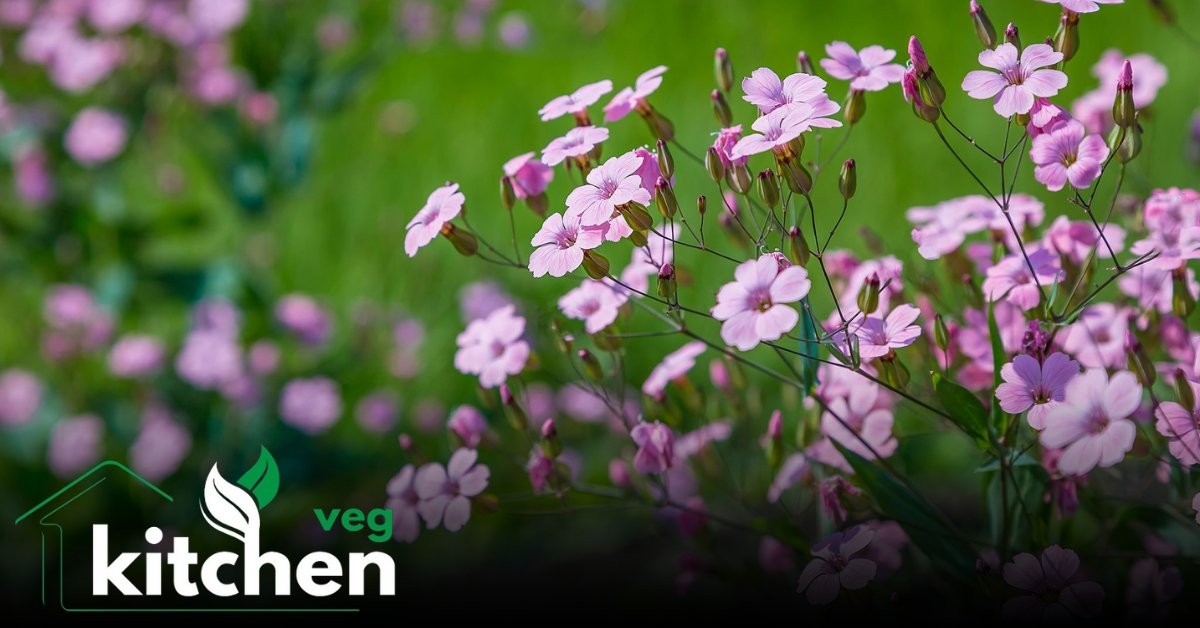
The Greek words “gypsos” (gypsum) and “philos” (loving) are the source of the name Gypso-phila, which describes the plant’s affinity for growing in soils high in gypsum. Gypso-phila is distinguished by its delicate, star-shaped, white or pink blooms in airy clusters.
Historical Background
The history of Gypsophila is extensive and dates back thousands of years. In the eighteenth century, Swedish botanist Carl Linnaeus wrote the first description of it.
The plant has been grown for generations as an ornamental and has been used extensively in many traditional and cultural occasions. As a symbol of purity and unending love during the Victorian era, baby’s breath was frequently used in romantic arrangements and wedding bouquets.
Types of Gypsophila
Gypsophila is a group of over 100 species, each with distinct traits. The following are a few of the most common kinds:
Paniculata
This plant, often called Perennial Baby’s Breath is commonly grown for its huge, airy clusters of pink or white blooms. It is a tough perennial that reaches a maximum height of three feet.
Elegans
This plant, often called Annual Baby’s Breath, grows quickly as an annual and has tiny white blossoms. It may reach a height of two feet and is frequently used in cut flower bouquets.
Repens
This low-growing plant, sometimes called “Creeping Baby’s Breath,” produces a carpet of small white or pink blooms. For ground cover and rock gardens, it is perfect.
Muralis
This species is good for borders and container gardening; it is sometimes called Low Baby’s Breath. It has small, pink or white flowers.
Cultivation and Care
Given how simple and straightforward these plants are to grow and take care of, gardening with Gypsophila can be very gratifying.

Soil Requirements
The ideal soil for Gypsophila is sandy or loamy, well-drained, and pH neutral to slightly alkaline. Steer clear of dense clay soils since they may hold excessive moisture and lead to root rot.
Sunlight
For abundant blooms, these plants need full sun to light shade. Make sure they get six hours a day in direct sunlight.
Watering
Water Gypsophila sparingly, letting the soil dry completely in between applications. Root rot can result from overwatering, therefore maintaining enough drainage is crucial.
Fertilization
Gypsophila should be fertilized in the spring and midsummer using a balanced all-purpose fertilizer to encourage strong growth and copious flowering.
Pruning
To maintain the shape of the plant and to promote fresh growth, prune wasted blossoms. In order to get ready for the upcoming growth season, prune the stems of perennial kinds in the fall.
Propagation Methods
Gypsophila can be propagated via division, cuttings, or seeds.
Seeds
Plant seeds immediately in the garden once the risk of frost has gone, or sow them indoors 6–8 weeks before the last day of frost. It is best to loosely cover seeds with dirt and keep them damp until they germinate, which usually takes 10 to 14 days.
Cuttings
Take cuttings in late spring or early summer from healthy plants. Plant the chopped end in a well-draining soil mixture after dipping it in rooting hormone. Until roots form, keep the cuttings moist and expose them to indirect sunshine.
Division
Divide established perennial Gypso-phila plants in the early spring or fall. Gently separate the root clumps and replant in prepared soil.
Common Pests and Diseases
While Gypsophila is generally hardy, it can be susceptible to certain pests and diseases.
Pests
Aphids and spider mites are common pests that can infest Gypso-phila. Regularly inspect plants and use insecticidal soap or neem oil to control infestations.
Diseases
Powdery mildew and root rot are the most common diseases affecting Gypso-phila. Ensure proper spacing for air circulation and avoid overwatering to prevent these issues. Fungicides can be used to treat powdery mildew.
Uses in Floral Arrangements
Gypsophila is a favorite in the floral industry for its versatility and delicate appearance. It is often used as a filler flower in bouquets, centerpieces, and wreaths.
Wedding Bouquets
Baby’s Breath is a popular choice for wedding bouquets due to its romantic and ethereal quality. It can be used alone or combined with other flowers to create a dreamy, elegant look.
Floral Arrangements
Gypsophila adds texture and volume to floral arrangements. Its small, clustered blooms complement larger flowers and create a balanced, cohesive design.
Dried Flowers
Gypsophila dries well and retains its shape and color, making it ideal for dried flower arrangements and crafts.
Symbolism and Significance
Gypsophila holds various symbolic meanings across different cultures.
Purity and Innocence
Baby’s Breath is often associated with purity and innocence, making it a popular choice for baby showers, christenings, and bridal bouquets.
Everlasting Love
In the language of flowers, Gypsophila symbolizes everlasting love and fidelity, which is why it is frequently used in wedding ceremonies and anniversary celebrations.
Elegance and Simplicity
The simple beauty of Gypsophila represents elegance and simplicity, adding a touch of grace to any floral arrangement.
Gypsophila in Garden Design
Gypsophila can enhance the beauty of any garden with its delicate blooms and versatile growing habits.

Border Planting
Plant Gypso-phila along garden borders to create a soft, ethereal edge. Its airy flowers provide a lovely contrast to more robust plants.
Rock Gardens
Creeping varieties of Gypsophila are ideal for rock gardens, where they can cascade over rocks and fill in gaps with their dainty blooms.
Cottage Gardens
Incorporate Gypso-phila into cottage garden designs for a charming, old-fashioned look. It pairs well with roses, peonies, and other traditional garden flowers.
Environmental Benefits
Gypsophila offers several environmental benefits beyond its ornamental value.
Pollinator Attraction
Gypsophila flowers attract bees, butterflies, and other pollinators, contributing to the health and biodiversity of the garden ecosystem.
Erosion Control
The extensive root system of Gypso-phila helps stabilize soil and prevent erosion, making it a valuable plant for slopes and embankments.
Soil Improvement
Gypsophila can thrive in poor, rocky soils, and its presence can help improve soil structure and fertility over time.
Conclusion
Gypsophila, or Baby’s Breath, is a versatile and beloved flower with a rich history and a wide range of uses. Its delicate blooms, easy cultivation, and symbolic significance make it a favorite among gardeners and floral designers. Whether used in garden designs, wedding bouquets, or environmental applications, Gypsophila continues to enchant and inspire with its timeless beauty.
