


Introduction
Red tomatoes are the most widely consumed and adaptable fruit in the world. They are unique among tomato varieties, distinguished not only by their bright color but also by their full flavour and abundance of health advantages. This article will cover the history, variety, cultivation, health advantages and culinary applications of red tomatoes in length, giving gardeners and lovers alike a thorough understanding of the subject.
History of the Red Tomato:
Red tomatoes have a rich and diverse history, much like their taste. Tomatoes are native to South America’s Andes, where the Incas and Aztecs domesticated them as early as 700 AD. When the Spanish conquistadors first introduced tomatoes to Europe in the sixteenth century, many mistrusted them and thought they were harmful because they resembled the deadly nightshade plant.
Tomatoes became popular in Europe in the 18th century when they became a mainstay of Italian cuisine. From there, they travelled the world and became a vital element of the diets of many different nations.
Varieties of Red Tomatoes
There are many different types of red tomatoes, each with a unique flavour, texture and use. The following are a few of the most widely used varieties:
Beefsteak Tomatoes
Beefsteak tomatoes are famous for their vast size and fatty texture. They are great for slicing and are frequently used in burgers and sandwiches.
Roma Tomatoes
Roma tomatoes, sometimes called plum tomatoes are ideal for sauces and pastes because of their smooth, rich flesh and minimal seed content.
Cherry Tomatoes
These little spherical tomatoes are a favourite for salads and snacking because they’re juicy and flavorful.
Heirloom Tomatoes
Heirloom tomatoes, highly valued for their deep, nuanced flavours, are available in diverse forms and sizes. They are usually grown from seeds handed down through the centuries.
Growing Red Tomatoes
No matter how experienced you are in gardening, growing red tomatoes may be a fulfilling experience. The following are crucial pointers for developing robust, fruitful tomato plants:
Choosing the Right Location
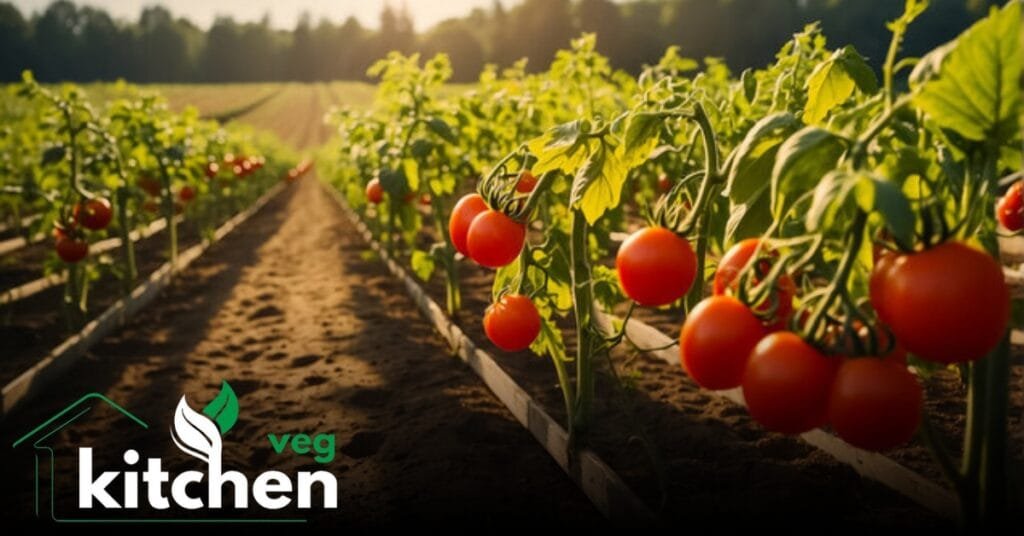
Tomatoes need six to eight hours of direct sunlight per day to flourish. Pick a spot with well-drained soil and adequate air circulation to avoid infections.
Soil Preparation
The ideal pH range for tomato soil is between 6.0 and 6.8. To add vital nutrients, amend the soil before planting with organic materials, such as compost or well-rotted manure.
Planting and Spacing
Once the local last frost date has passed, plant tomatoes. Space the plants 18 to 24 inches apart to ensure healthy development and ventilation. Bury the plants deeply, leaving just a few leaves above the soil’s surface to promote robust root development.
Watering and Mulching
Maintain a constant moisture level in the soil without becoming soggy. To prevent watering the leaves, which might result in fungal illnesses, water the base of the plants. Mulch the area around the plants to keep moisture and prevent weed growth.
Pruning and Staking
Tomato plants can be pruned to get rid of suckers and promote airflow, which helps keep disease at bay. Please support them with cages or posts to keep plants upright and the fruit off the ground.
Nutritional Benefits of Red Tomatoes
Along with being tasty, red tomatoes are also nutrient-rich and provide a host of health advantages:
Rich in Vitamins and Minerals
Red tomatoes have many health benefits, are delicious, and are high in nutrients.
High in Antioxidants
Tomatoes contain many antioxidants, including beta-carotene, vitamin E, and lycopene. Lycopene has been linked to a lower risk of chronic illnesses like cancer and heart disease.
Low in Calories
Tomatoes can be included in weight control programs because they have a low-calorie content of about 18 per 100 grams.
Health Benefits of Red Tomatoes
Including red tomatoes in your diet can have many positive health effects:
Heart Health
Tomatoes are a good source of antioxidants and potassium, which can help lower blood pressure and the risk of heart disease.
Cancer Prevention
Lycopene, the antioxidant responsible for tomatoes’ red colour, has been shown to reduce the risk of certain cancers, particularly prostate cancer.
Skin Health
Tomatoes include vitamins and antioxidants that can shield skin from UV rays and support a glowing complexion.
Digestive Health
Tomatoes are a good source of fibre, which aids in digestion and prevents constipation.
Culinary Uses of Red Tomatoes
Fibre helps digestion and keeps constipation at bay; tomatoes are a rich source.
Fresh Uses
Savour fresh tomatoes in salsas, salads, and sandwiches. Their juicy texture and tart-sweet flavour make them a welcome refreshment for many foods.
Cooking
Savour fresh tomatoes in salsas, salads, and sandwiches. Their juicy texture and tart-sweet flavour make them a welcome refreshment for many foods.
Sauces and Pastes
Many sauces, such as ketchup, barbecue sauce and marinara, are made with tomatoes as the base. Use paste or Roma tomatoes to achieve a rich, thick consistency.
Preserving
Canned, dried, or made tomato paste and sauce are ways to preserve the crop. With these techniques, you can savour summer tomatoes’ flavour all year.
Common Pests and Diseases
Pests and diseases can affect tomato plants in many ways. The following common problems and solutions are listed:
Pests
- Aphids: Tiny green insects that consume the sap of plants. Use neem oil or insecticidal soap to get rid of them.
- Tomato Hornworms: large caterpillars capable of removing a plant’s leaves. Use biological controls such as Bacillus thuringiensis (Bt) or handpick them.
- Whiteflies: Little white insects that can turn foliage yellow. Use sticky traps or insecticidal soap for control.
Diseases
- Blight: Dark stains on fruit and leaves are caused by a fungal disease. Rotate your crops and use kinds that are resistant to disease.
- Powdery Mildew: Fungal growth on leaves that is powdery white. Enhance ventilation and steer clear of overhead irrigation.
- Tomato Mosaic Virus: causes growth retardation and mottling. Eliminate contaminated plants and manage aphids that disseminate the infection.
Harvesting and Storing Red Tomatoes
The best flavour and most extended shelf life come from knowing when and how to harvest tomatoes:
Harvesting
When tomatoes are fully coloured and slightly tender to the touch, they are ready to be harvested. To prevent harming the plant, carefully twist and remove the fruit from the vine.
Storing
Ripe tomatoes should be used within a few days of being stored at room temperature to preserve their flavour. Tomatoes should be stored for an extended period in a cool, dark place; nevertheless, chilling might change the texture and taste of the fruit.
Future Trends in Tomato Cultivation
Innovations in breeding methods and agricultural technology are influencing the future of tomato cultivation:
Hydroponics and Vertical Farming
This technique allows tomatoes to be produced under regulated conditions, which saves water and eliminates the need for pesticides.
Genetic Modification:
Scientists are attempting to genetically engineer the fruit to improve tomatoes’ nutritional value, shelf life, and resistance to pests and illnesses.
Sustainable Practices:
Growing environmental consciousness has led to an increase in farmers implementing sustainable techniques, including crop rotation, organic farming, and integrated pest management, to lessen the environmental impact of tomato farming.
Conclusion:
Red tomatoes are a staple and favourite food in many cultures worldwide. Red tomatoes have much to offer everyone, from their varied types and historical history to their many health advantages and culinary applications. You can maximize red tomatoes’ nutritional value and versatility by learning how to raise, harvest, and consume them. The red tomato will infuse your life with colour and flavour whether you’re a home grower or a foodie fan.
