


Introduction to Hibiscus Flower
The hibiscus flower is a striking and versatile plant that belongs to the Malvaceae family. Known for its large, vibrant blooms and diverse species, hibiscus has captured the hearts of gardeners, botanists, and flower enthusiasts worldwide. This article explores the fascinating world of hibiscus flowers, from their origins and varieties to their cultural significance and practical uses.
History and Origin
The hibiscus flower has a rich history that spans across continents. Native to tropical and subtropical regions, particularly in Asia and the Pacific Islands, the hibiscus has been cultivated and cherished for centuries. Ancient Egyptians used hibiscus as a medicinal herb, while in India, it is associated with deities and is used in various religious ceremonies. The plant’s journey across the globe has led to the development of numerous species and hybrids, each with its unique charm and characteristics.
Varieties of Hibiscus
There are over 200 species of hibiscus, each varying in size, color, and growth habits. Some of the most popular varieties include:
Hibiscus rosa-sinensis
Also known as the Chinese hibiscus, this species is renowned for its large, showy flowers that come in a range of colors, including red, pink, yellow, and white. It is commonly grown as an ornamental plant in tropical and subtropical regions.
Hibiscus sabdariffa
Known as roselle, this species is cultivated for its edible calyces, which are used to make hibiscus tea, jams, and jellies. The bright red calyces have a tart flavor, making them a popular ingredient in various culinary applications.
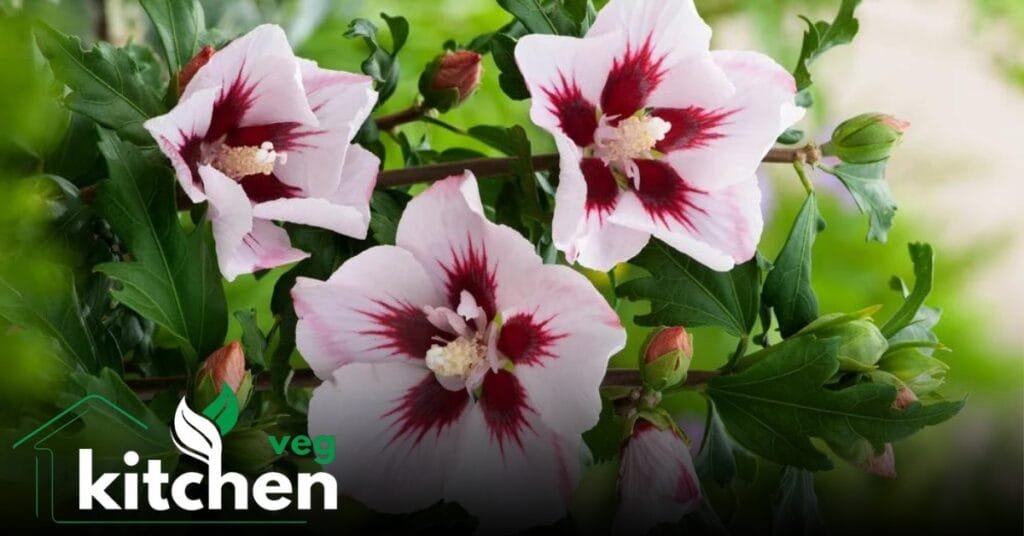
Hibiscus syriacus
Commonly called the Rose of Sharon, this deciduous shrub is prized for its resilience and ability to thrive in temperate climates. It produces beautiful, funnel-shaped flowers in shades of white, pink, purple, and blue.
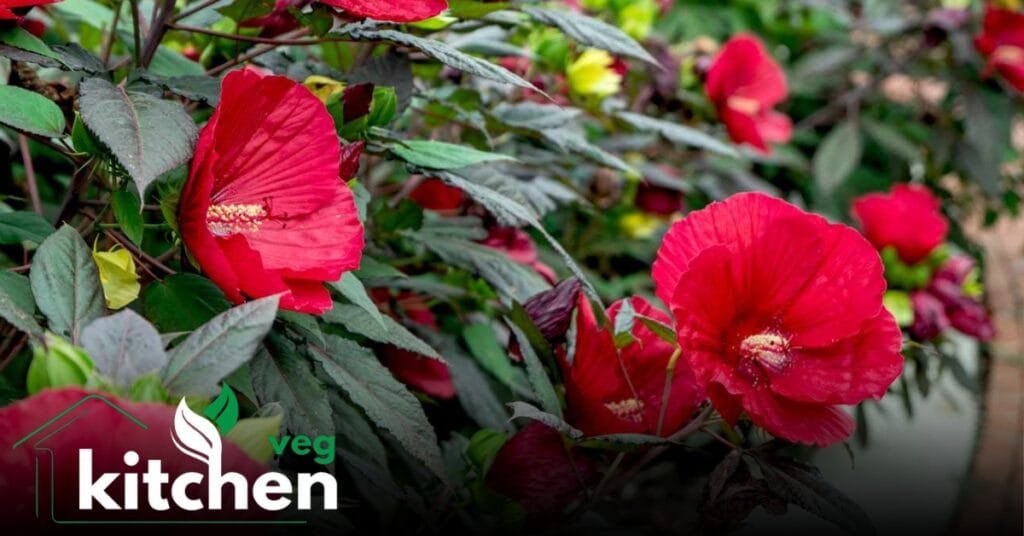
Hibiscus moscheutos
Also known as the hardy hibiscus or swamp rose mallow, this species is native to North America. It features enormous, dinner-plate-sized flowers in shades of red, pink, and white, making it a standout in any garden.
Growing and Caring for Hibiscus
Hibiscus plants are relatively easy to grow, provided they receive the right care and conditions. Here are some essential tips for cultivating healthy hibiscus plants:
Soil and Location
Hibiscus plants prefer well-draining soil rich in organic matter. They thrive in full sun but can tolerate partial shade. It is crucial to plant them in a location with good air circulation to prevent fungal diseases.
Watering
Hibiscus plants require consistent moisture, especially during the growing season. Water the plants deeply but avoid waterlogging, which can lead to root rot. In dry climates, regular watering is essential to keep the soil moist.
Fertilizing
Regular feeding with a balanced fertilizer helps promote healthy growth and abundant blooms. Use a fertilizer high in potassium to encourage flowering. Apply fertilizer every two weeks during the growing season and reduce feeding during the winter months.
Pruning
Pruning helps maintain the shape of the hibiscus plant and encourages new growth. Remove dead or diseased branches and trim back overgrown areas to improve air circulation and light penetration. Prune in early spring before the new growth begins.
Propagation Methods
Hibiscus can be propagated through various methods, including seeds, cuttings, and grafting. Each method has its advantages and challenges:
Seeds
Growing hibiscus from seeds is a relatively straightforward process, but it requires patience. Sow the seeds in a well-draining seed mix and keep them moist until germination. It may take several weeks to months for the seeds to sprout.
Cuttings
Propagating hibiscus from cuttings is a popular and efficient method. Take a 4-6 inch cutting from a healthy plant, remove the lower leaves, and dip the cut end in rooting hormone. Plant the cutting in a
well-draining soil mix and keep it moist until roots develop, usually within a few weeks. This method allows you to create genetically identical clones of the parent plant.
Grafting
Grafting involves joining a hibiscus scion (a piece of a plant with buds) to a rootstock (a plant with an established root system). This technique is often used to combine desirable traits from different hibiscus varieties, such as disease resistance and flower color. While grafting can be more complex, it offers excellent results for hybridization and improving plant vigor.
Common Pests and Diseases
Hibiscus plants, like all garden plants, are susceptible to various pests and diseases. Here are some common issues and how to address them:
Aphids
Aphids are small, soft-bodied insects that suck the sap from hibiscus leaves, causing yellowing and distorted growth. To control aphids, spray the plants with a strong jet of water to dislodge them or use insecticidal soap.
Spider Mites
Spider mites are tiny, spider-like pests that can cause stippling and webbing on hibiscus leaves. They thrive in dry conditions, so increase humidity around the plant and use miticides or neem oil to control infestations.
Whiteflies
Whiteflies are small, white insects that feed on hibiscus sap and excrete honeydew, leading to sooty mold growth. Use yellow sticky traps to catch adult whiteflies and apply insecticidal soap or horticultural oil to manage their populations.
Fungal Diseases
Hibiscus plants are prone to fungal diseases such as powdery mildew, rust, and root rot. Ensure good air circulation, avoid overhead watering, and apply fungicides if necessary. Remove and destroy infected plant parts to prevent the spread of disease.
Medicinal and Culinary Uses
The hibiscus plant has a long history of medicinal and culinary uses. Different parts of the plant, including the flowers, leaves, and calyces, are utilized for their health benefits and flavor.
Medicinal Uses
Hibiscus tea, made from the dried calyces of Hibiscus sabdariffa, is known for its tart flavor and numerous health benefits. It is rich in antioxidants, helps lower blood pressure, supports liver health, and aids in weight management. In traditional medicine, hibiscus extracts are used to treat a variety of ailments, including fever, inflammation, and digestive issues.
Culinary Uses
Hibiscus flowers and calyces are used in various culinary applications. Hibiscus tea is a popular beverage enjoyed both hot and cold. The calyces are also used to make jams, jellies, syrups, and sauces. In some cultures, hibiscus flowers are used as a garnish for salads and desserts, adding a vibrant splash of color and a unique tart flavor.
Cultural Significance
Hibiscus flowers hold significant cultural symbolism and are celebrated in various traditions and ceremonies around the world.
Hawaii
In Hawaii, the hibiscus is the state flower and is known as “pua aloalo.” It symbolizes beauty, charm, and hospitality. Hawaiian women often wear hibiscus flowers behind their ears as a traditional adornment.
India
In India, hibiscus flowers are associated with the goddess Kali and are used in her worship. They are also used in Ayurvedic medicine for their therapeutic properties.
Malaysia
The hibiscus rosa-sinensis, known as the “Bunga Raya,” is the national flower of Malaysia. It symbolizes the courage, life, and rapid growth of the Malaysian people.
Pacific Islands
In many Pacific Island cultures, hibiscus flowers are worn as a symbol of respect and hospitality. They are used in leis and other traditional decorations for celebrations and ceremonies.
Hibiscus in Landscaping and Gardening
Hibiscus flowers are a popular choice for landscaping and gardening due to their stunning blooms and versatility. They can be grown as shrubs, small trees, or container plants, making them suitable for various garden styles and spaces.
Garden Borders
Hibiscus plants make excellent border plants, providing a splash of color and acting as a natural fence. Plant them along garden edges or walkways to create a vibrant and inviting garden display.
Hedges
Hibiscus shrubs can be pruned into dense hedges, offering both beauty and privacy. Their thick foliage and frequent blooming make them an attractive alternative to traditional hedging plants.
Container Gardening
Hibiscus plants thrive in containers, making them ideal for patios, balconies, and small gardens. Choose dwarf varieties or prune regularly to maintain a manageable size. Ensure the containers have adequate drainage and use a high-quality potting mix.
Mixed Plantings
Combine hibiscus with other tropical or subtropical plants for a lush, exotic garden. They pair well with palms, ferns, and other flowering plants like bougainvillea and plumeria.
Hibiscus Care in Different Climates
Hibiscus plants can be grown in various climates, but their care requirements may differ based on the region. Here’s how to care for hibiscus in different environments:
Tropical Climates
In tropical climates, hibiscus plants thrive with minimal care. Ensure they receive plenty of sunlight, regular watering, and occasional feeding. Mulch around the base of the plant to retain moisture and suppress weeds.
Subtropical Climates
In subtropical climates, hibiscus plants may need protection from occasional cold snaps. Cover the plants with frost cloth or bring container plants indoors during cold weather. Water regularly and provide full sun to partial shade.
Temperate Climates
In temperate climates, hibiscus plants may need to be grown as annuals or brought indoors during the winter. Choose hardy varieties like Hibiscus syriacus for better cold tolerance. Provide full sun and protect from frost and freezing temperatures.
Arid Climates
In arid climates, hibiscus plants require regular watering to prevent drought stress. Mulch heavily to retain moisture and shade the roots. Choose drought-tolerant varieties and avoid planting in areas with intense afternoon sun.
Conclusion
The hibiscus flower is a stunning and versatile plant that offers numerous benefits and uses. From its rich history and cultural significance to its practical applications in medicine, cuisine, and landscaping, hibiscus continues to captivate and inspire.
Whether you are an avid gardener or simply appreciate the beauty of nature, growing and caring for hibiscus can be a rewarding experience. With proper care and attention, these vibrant blooms will grace your garden and home with their striking presence for years to come.
