

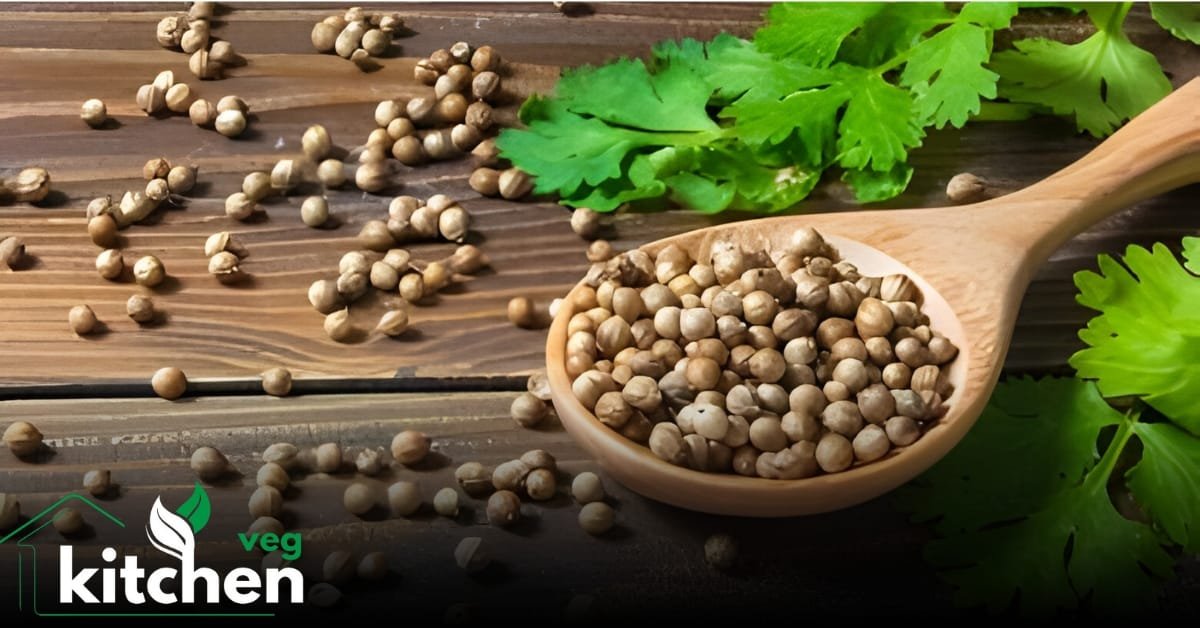
The coriander plant produces coriander seeds, which are prized for the way they taste and smell when added to cuisine. They’re round and little, but they’re flavorful. They have been used for a very long time ranging from the beginning to the present in both cooking and healing. They are vital to many different kinds of cuisine across the globe because they improve the flavor of food.
Origins and Cultivation: Tracing the Roots of Coriander
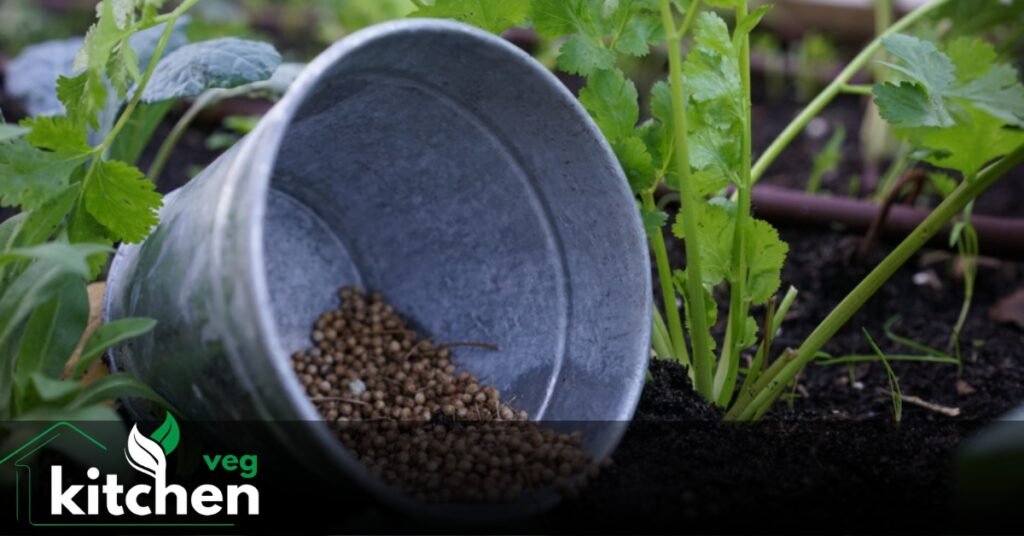
Originating in the Mediterranean region, coriander has been cultivated for thousands of years. Today, it is grown in various parts of the world, including India, Morocco, Russia, and Mexico.
The plant thrives in temperate climates and well-drained soil, reaching maturity within a few months. Cultivated both for its leaves (known as cilantro) and seeds, coriander is a staple in diverse culinary traditions.
Nutritional Profile: A Nutrient-Rich Addition to Your Diet
Coriander seeds are not only prized for their flavor but also for their nutritional benefits. Rich in vitamins, minerals, and antioxidants, they offer a healthy addition to your diet. These seeds are a good source of dietary fiber, iron, magnesium, and manganese. Additionally, they contain essential oils such as linalool and geranyl acetate, which contribute to their distinct aroma and potential health benefits.
Flavor Profile: Exploring the Distinctive Taste of Coriander Seeds
The flavor of coriander seeds is complex, with citrusy, earthy, and slightly floral notes. When crushed or ground, they release a warm, aromatic fragrance that enhances the overall taste of dishes. The seeds contain essential oils that give a fresh, bright flavor to savory and sweet recipes. Whether whole or powdered, coriander seeds impart a unique flavor to culinary creations.
Culinary Uses: From Spice Blends to Marinades
Coriander seeds are a staple ingredient in many spice blends and marinades, adding depth and complexity to dishes. In Indian cuisine, they are often toasted and ground to make garam masala, a fragrant spice mixture used in curries and rice dishes. Similarly, in Mexican cuisine, coriander seeds are a vital component of adobo seasoning, enhancing the flavor of meats and vegetables. They can also be used whole in pickling brines or infused into soups and stews for added depth of flavor.
Medicinal Properties: Harnessing the Healing Potential
Beyond their culinary applications, coriander seeds have been valued for their medicinal properties for centuries. Rich in antioxidants, they may help reduce inflammation and protect against certain chronic diseases. Additionally, coriander seeds have been traditionally used to aid digestion, alleviate bloating, and promote overall gut health. Whether consumed as a tea or incorporated into recipes, these seeds offer a natural way to support well-being.
Cooking Tips: Maximizing the Flavor Potential
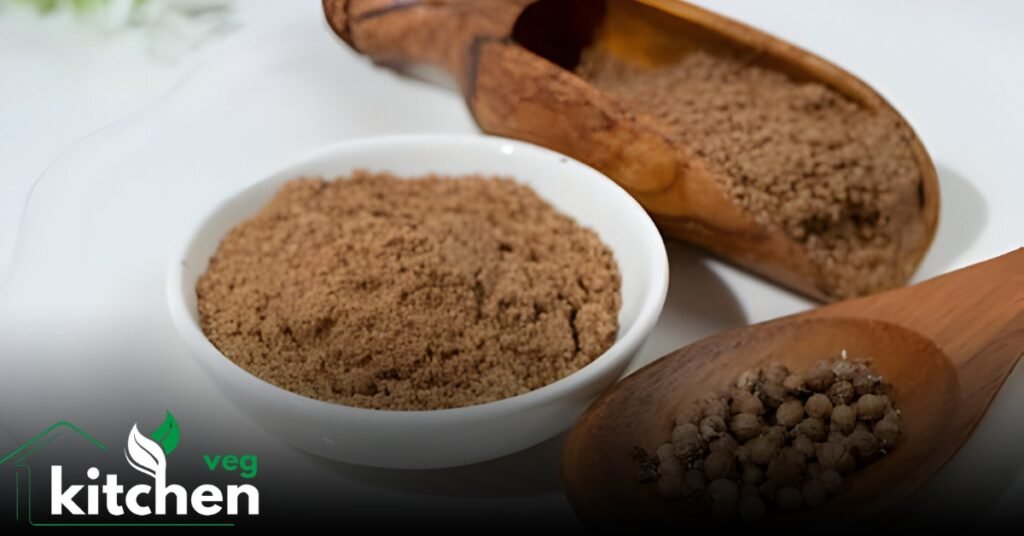
It’s essential to handle them properly in the kitchen. Toasting the seeds in a dry skillet over medium heat for a few minutes can intensify their aroma and flavor. Once toasted, they can be ground using a mortar and pestle or a spice grinder in various recipes. Alternatively, whole coriander seeds can infuse flavor into soups, stews, or pickling liquids.
Pairing Suggestions: Enhancing Culinary Creations
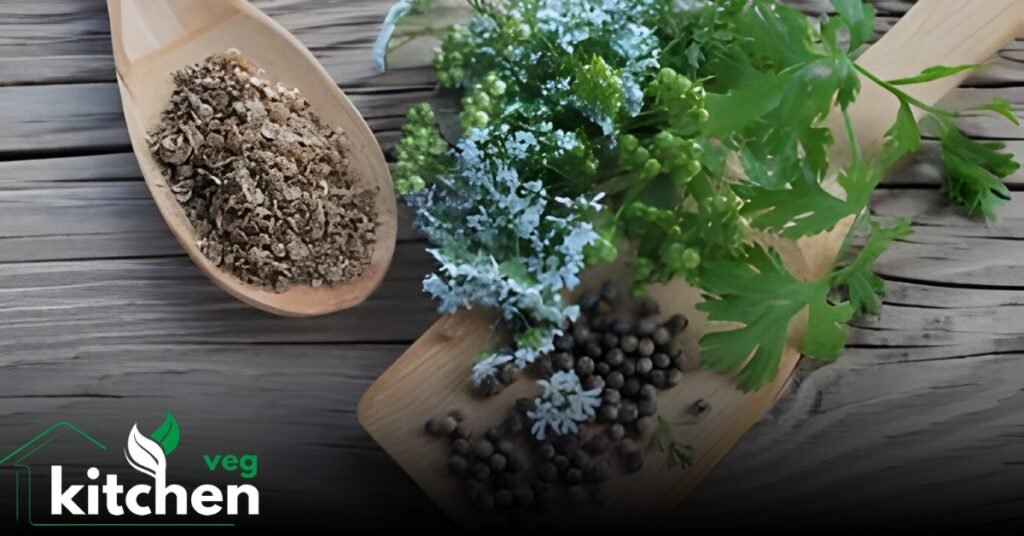
Coriander seeds pair well with various ingredients, enhancing savory and sweet dishes. Savory recipes complement spices like cumin, turmeric, and cinnamon, adding depth and complexity to curries, tagines, and roasted vegetables. For sweet dishes, coriander seeds can infuse flavor into baked goods such as cookies, cakes, and bread. Experimenting with different flavor combinations can lead to delightful culinary discoveries.
Health Benefits: Nourishing the Body and Mind
In addition to their culinary appeal, coriander seeds offer numerous health benefits. Their antioxidant properties help protect against oxidative stress and inflammation, reducing the risk of chronic diseases.
Furthermore, the fiber content in coriander seeds supports digestive health by promoting regularity and preventing constipation. Incorporating these nutrient-rich seeds into your diet can improve overall well-being and vitality.
Cultural Significance: Celebrating a Global Ingredient
Coriander seeds hold cultural significance in various cuisines worldwide, reflecting their widespread use and appreciation. In Indian cuisine, they are a vital ingredient in spice blends like curry powder and garam masala, which are essential for creating authentic flavors.
Similarly, in Middle Eastern and North African cuisines, coriander seeds are prized for their aromatic qualities, often featured in savory dishes and bread. By honoring the cultural heritage of coriander seeds, we celebrate culinary diversity and shared gastronomic traditions.
Conclusion:
In conclusion, coriander seeds are a culinary powerhouse, valued for their distinctive flavor, nutritional benefits, and medicinal properties. These tiny seeds have left an indelible mark on global cuisine, from ancient civilizations to modern-day kitchens.
Whether used to spice up a curry, infuse flavor into baked goods, or promote digestive health, coriander seeds offer endless possibilities for culinary exploration. By incorporating them into your kitchen repertoire, you can elevate your dishes and embark on a flavorful journey through the world of spices.
