

Introduction
This plant gratissimum, scientifically known as African basil, belongs to the Lamiaceae family and is highly valued for its medicinal, culinary, and cultural uses throughout Africa and beyond.
This herb, which is different from the ordinary sweet basil used in Western kitchens, is also known as clove basil or wild basil. African basil is an essential component of both conventional methods and contemporary applications due to its extensive history and diverse use.
Botanical Characteristics
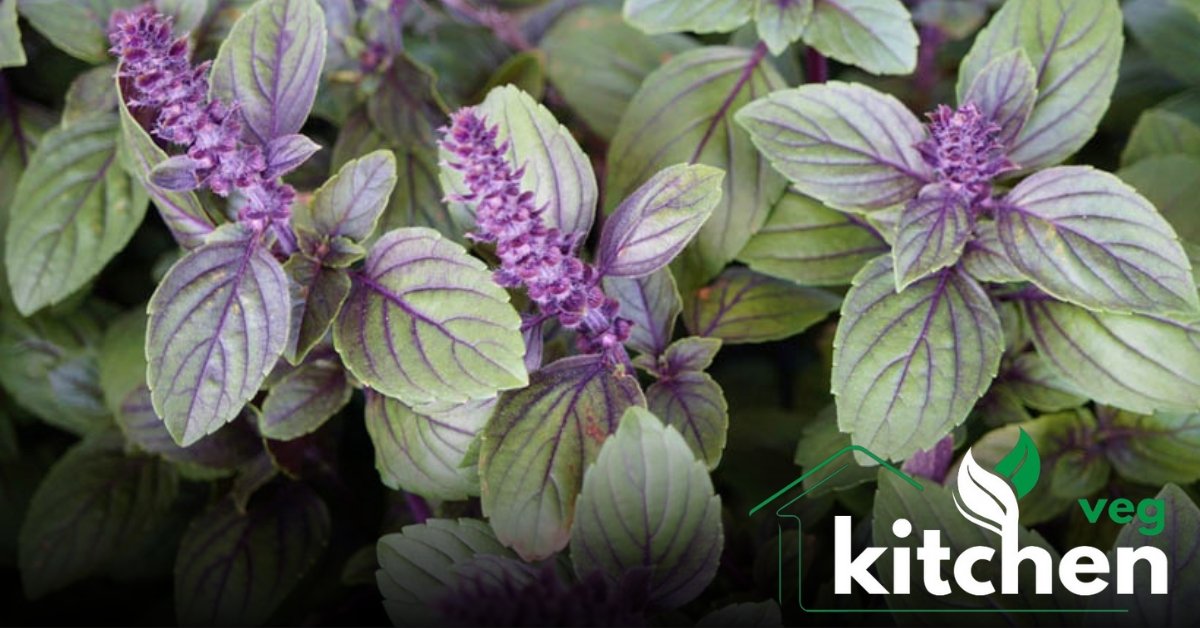
African basil is a perennial shrub with a maximum height of two meters. It has a large, dark green, aromatic leaf that is opposite a woody stalk. Usually lanceolate to ovate in shape, the leaves have a somewhat serrated edge.
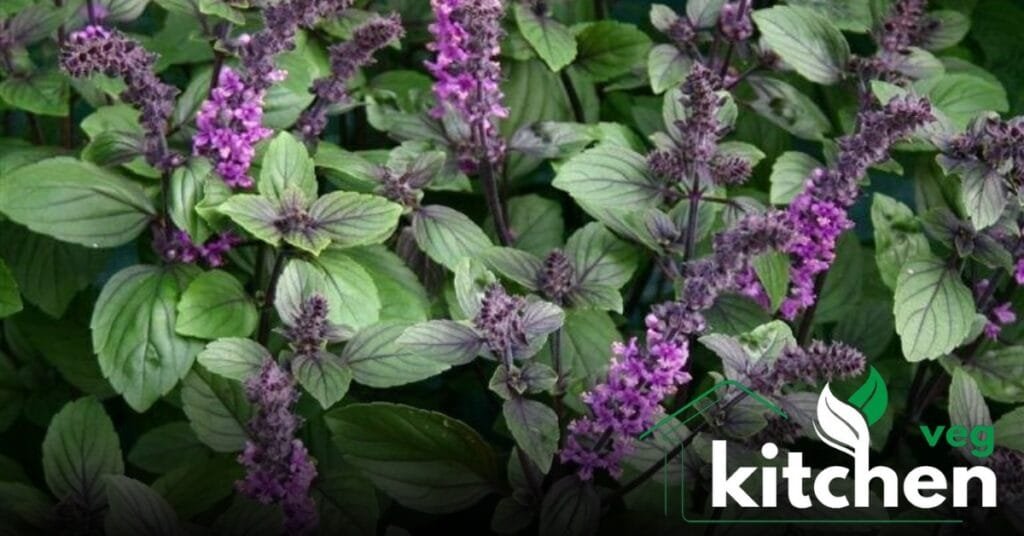
The plant bears tiny, terminal racemes of white or violet flowers. In addition to improving the plant’s visual appeal, these flowers draw a variety of pollinators, which increases diversity in the areas where they are growing.
Historical and Cultural Significance

African basil has historically been quite important to many African societies’ daily activities. It represents protection and cleansing and is frequently utilized in religious and spiritual rites. The plant is thought to ward off evil spirits and offer good fortune in certain cultures.
African basil
It is also a mainstay in traditional African cooking, where it is frequently used to season sauces, stews, and soups due to its strong flavor and smell.
Cultivation and Propagation
Climate and Soil Requirements
Tropical and subtropical temperatures are ideal for African basil growth, and it prefers well-drained, fertile soils that range in pH from 5.5 to 7.5. It needs regular watering and full to partial shade, but once established, it can endure some dry.
Planting and Maintenance
African basil can be propagated using cuttings or seeds. After planting, seeds need to be maintained moist in a well-prepared seedbed until they germinate, which usually takes two weeks.
As an alternative, mature plant cuttings can be rooted in soil or in water. Frequent pruning keeps the plant from growing lanky and promotes bigger growing.
Nutritional Profile
Biological activity chemicals and critical nutrients abound in African basil. It has substantial concentrations of calcium, iron, magnesium, and vitamins A and C. The leaves’ unique scent and medicinal qualities are also attributed to the presence of essential oils such as camphor, thymol, and the substance.
Culinary Uses
Traditional Dishes
African basil is used to improve the flavor of many different dishes in African cooking. Rice dishes, stews, and soups frequently have it added. The strong flavor of the leaves complements other herbs and spices well, and they can be used either fresh or dried.
Modern Culinary Innovations
A growing percentage of modern meals worldwide are incorporating African basil due to the increased interest in international cuisines. Modern kitchens are experiencing a taste of Africa as chefs experiment with its distinct flavor in salads, pesto, and marinades.
Medicinal Properties and Uses
Antimicrobial and Antifungal Properties
The antibacterial qualities of African basil have been the subject of substantial research. Strong antibacterial and antifungal properties found in the essential oils derived from the leaves make them useful against a variety of infections.
As a result, traditional medicine now uses it to treat respiratory disorders, wounds, and infections.
Anti-inflammatory and Antioxidant Effects
Antioxidants, which are strong in the plant’s leaves, aid in the body’s defense against dangerous free radicals. African basil is useful in treating inflammatory diseases like arthritis because of these antioxidants as well as its anti-inflammatory qualities.
Other Health Benefits
African basil is thought to have anti-diabetic qualities and is also used to treat digestive problems including gas and indigestion. It is frequently suggested by traditional healers to increase immunity and enhance overall health.
Aromatherapy and Essential Oils
Homeopathy uses the essential oils from African basil to reduce anxiety and tension. These oils’ soothing properties are ascribed to ingredients like linalool and eugenol. These oils have advantages for mental health in addition to being utilized as natural insect repellents and in massage treatments.
Agricultural and Economic Importance
Role in Sustainable Agriculture
An important part in sustainable agriculture is played by African basil. It is an important companion plant in organic farming systems because of its capacity to draw pollinators and deter pests. It also uses very little in the way of chemicals, which is consistent with environmentally friendly farming methods.
Economic Opportunities
For African basil producers, economic opportunities have arisen because of the increased demand for natural and organic products. Smallholder farmers can make a living by selling the plant’s essential oils, dried leaves, and other derivatives, which are in high demand on both domestic and foreign markets.
Conservation and Environmental Impact
Biodiversity Conservation
African basil supports a range of pollinators and other useful insects, which helps to conserve biodiversity. This in turn encourages agricultural productivity and supports the upkeep of natural systems.
Environmental Benefits
The plant is an environmentally benign crop because of its strong growth and low requirement for chemical pesticides and fertilizers. African basil farming lessens soil erosion and water pollution by lowering the need for artificial inputs.
Future Prospects and Research Directions
Potential in Pharmacology
The pharmacological characteristics of African basil are still being studied, and this could lead to the creation of novel medications and therapies. Researchers are looking into its ability to treat long-term conditions including diabetes and heart problems as well as how well it works to fight bacteria that are resistant to antibiotics.
Expanding Agricultural Practices
To increase productivity and quality, efforts are being made to better African basil farming procedures. In order to maximize production and satisfy the rising demand, research into improved propagation methods, insect control, and soil fertility is needed.
Promoting Awareness and Utilization
Growing awareness of African basil’s advantages can promote its broader use in conventional and contemporary settings. Extension services and educational programs can assist both farmers and consumers in realizing the benefits of this adaptable plant.
Conclusion
More than just a plant, African basil is a powerful source of nutrition, a symbol of cultural legacy, and an example of sustainability. It is a priceless resource for people throughout Africa and beyond due to its numerous use in agriculture, medicine, and food.
African basil has the potential to improve health, livelihoods, and the environment even more as study reveals its full potential. By embracing this amazing herb, we set the path for a more sustainable and healthy future while still paying respect to long-standing customs.
