


Introduction
Chives are an herb that grows underground. They have brilliant green, grass-like leaves with a faint onion flavor and are widely used in cooking and medicine. Although it is usual practice to plant chives above ground, farming chives below has advantages and disadvantages. This in-depth manual explores the subterranean growing of chives, offering gardeners and herbal enthusiasts proper knowledge and helpful advice.
History and Origin of Chive Underground
The history of chives is extensive and stretches back thousands of years. For thousands of years, people have utilized chives, which are native to Europe and Asia, in food and medicine.
The Chinese employed chives as a poisoning remedy, while the Romans thought they could heal sunburns and ease pain. Chives have grown throughout the ages and are now a common ingredient in various dishes.
Understanding Chive Underground Growth
One of the most essential parts of chives’ growth is underground growth. Little, spherical bulbs found just below the soil’s surface are the source of chives. Because these bulbs store energy and nutrients, the plant can withstand harsh weather and grow again in the spring.
Nutritional and Medicinal Benefits
Chives are a great source of antioxidants, folate, calcium, magnesium, and vitamins A, C, and K. Because of their anti-inflammatory and antibacterial qualities; they strengthen immunity, facilitate better digestion and advance general health.
Benefits of Underground Chive Cultivation
Enhanced Flavor
Garlic can be planted below ground, enhancing its flavor and making it more potent and aromatic than above-ground chives. The controlled environment allows the chives to acquire a more concentrated flavor profile.
Extended Harvest Period
Underground cultivation can extend the harvest period, allowing gardeners to enjoy fresh chives even during colder months. The consistent underground temperature and humidity create an ideal environment for chive growth year-round.
Protection from Pests and Diseases
Growing chives underground shields them from common pests and illnesses that frequently affect above-ground plants. With fewer chemical treatments, this leads to healthier and more vigorous plants.
Preparing the Underground Growing Environment
Site Selection
Pick a spot with indirect sunshine and well-draining soil. Since chives need some light for photosynthesis, avoid places prone to floods or intense shade.
Soil Preparation
Applying organic materials, such as old manure or compost, will help prepare the soil. Make sure the soil is loose and well-aerated to encourage root development and drainage. A pH of 6.0 to 7.0, slightly acidic to neutral, is appropriate for chives.
Planting Chive Underground
Seed Selection and Sowing
Choose chives from a reliable source that is of good quality. Directly sow the seeds into the prepared buried bed, leaving 8 to 12 inches between each one. After lightly covering the seeds with dirt, give them lots of water.
Transplanting Seedlings
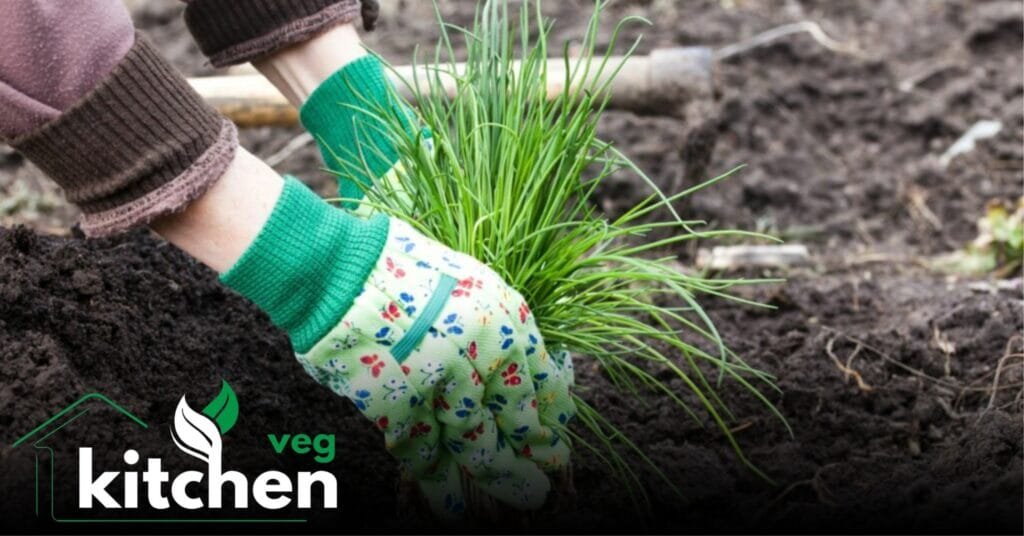
If you’re beginning from seedlings, move them into the underground bed once the latest frost date has passed. Take care not to bruise the young plants’ fragile roots. Let the seedlings grow to a suitable distance apart, 8 to 12 inches.
Care and Maintenance
Watering
Consistent moisture is necessary for chives, especially during the establishing phase. Give the plants plenty of water, but don’t overdo it, as this might cause root rot. Mulching can help keep moisture in the soil and keep weeds away.
Fertilization
During the growing season, feed chives with a balanced organic fertilizer every four to six weeks. Avoid overfertilizing, as this might result in luxuriant, less flavorful foliage.
Pruning and Harvesting
Trim chives regularly to promote new growth and prevent woody growth. To harvest chives, cut the leaves 1 to 2 inches above the earth. Use garden shears or scissors with sharp edges to avoid damaging the leaves.
Controlling Pests and Diseases
Common Pests
Despite being less vulnerable to them, aphids, thrips, and onion larvae are among the pests that subterranean chives may face. To address infestations, employ natural pest control techniques, including neem oil, insecticidal soap, and helpful insects.
Disease Management
Fungal infections like rust and downy mildew can affect underground chives. To prevent illnesses from spreading, maintain adequate air circulation and spacing to reduce humidity levels and remove and discard any contaminated plant material.
Harvesting and Storage
Optimal Harvest Time
When chives grow to six to twelve inches, harvest them. When the leaves are young and sensitive, they have the maximum flavor. Trim the leaves down every three to four weeks to just 1-2 inches above the ground for ongoing harvesting.
Storage Tips
Freshly picked chives can be kept in the fridge in a plastic bag or other container for up to a week. For extended storage, chop the leaves and freeze them in ice cube trays with water or oil. Dried chives can be kept in an airtight container for several months.

Culinary Uses of Chives
Fresh Chives
Fresh chives impart a subtle onion flavor to baked potatoes, omelets, soups, and salads. They can also be added as a garnish to improve the flavor and appearance of food.
Preserved Chives
Chives can be preserved by dehydrating, freezing, or soaking in vinegar or oil. These techniques allow you to incorporate a distinctive element into your culinary creations and savor the flavor of chives all year long.
Medicinal and Therapeutic Applications
Traditional Uses
Chives have long been used for their therapeutic qualities. They facilitate better digestion, lower blood pressure, and strengthen respiratory systems. Garlic infusions can be used as a home treatment for sore throats and colds.
Modern Applications
Contemporary research supports some of the traditional applications of chives. It emphasizes the plant’s ability to strengthen the immune system, lower inflammation, and promote cardiovascular health. Including chive underground in your diet can improve your general health.
Chives in Companion Planting
Benefits of Companion Planting
Companion plants like chives are great because they may keep pests away and help nearby plants develop. Their potent aroma aids in the repulsion of insects like Japanese beetles, carrot flies, and aphids.
Ideal Companion Plants
To take advantage of chives’ ability to deter pests, plant them near strawberries, tomatoes, roses, and carrots. Cherries should not be planted close to beans or peas as they could stunt their growth.
Troubleshooting Common Issues
Poor Growth
If chives don’t grow well, look at problems like insufficient sunlight, too much water, or a lack of nutrients. As necessary, modify the growth environment to encourage proper growth.
Yellowing Leaves
Yellowing leaves may indicate nutrient imbalances, inadequate drainage, or overwatering. Ensure you are watering your plants properly, and consider doing a soil test to determine what deficiencies need filling in.
Flowering Too Early
Stress factors like high temperatures or irregular hydration might cause chive underground to blossom too soon. Regular pruning and maintaining ideal growing conditions help postpone flowering and prolong the harvest season.
Conclusion
Growing chives underground is an exciting and fulfilling gardening activity. Any herb garden can benefit from the added flavor, longer harvest times, and defense against pests and illnesses from subterranean chive underground farming. Following the instructions in this extensive tutorial will allow you to have an abundant supply of tasty, fresh chives all year round.
