

Introduction
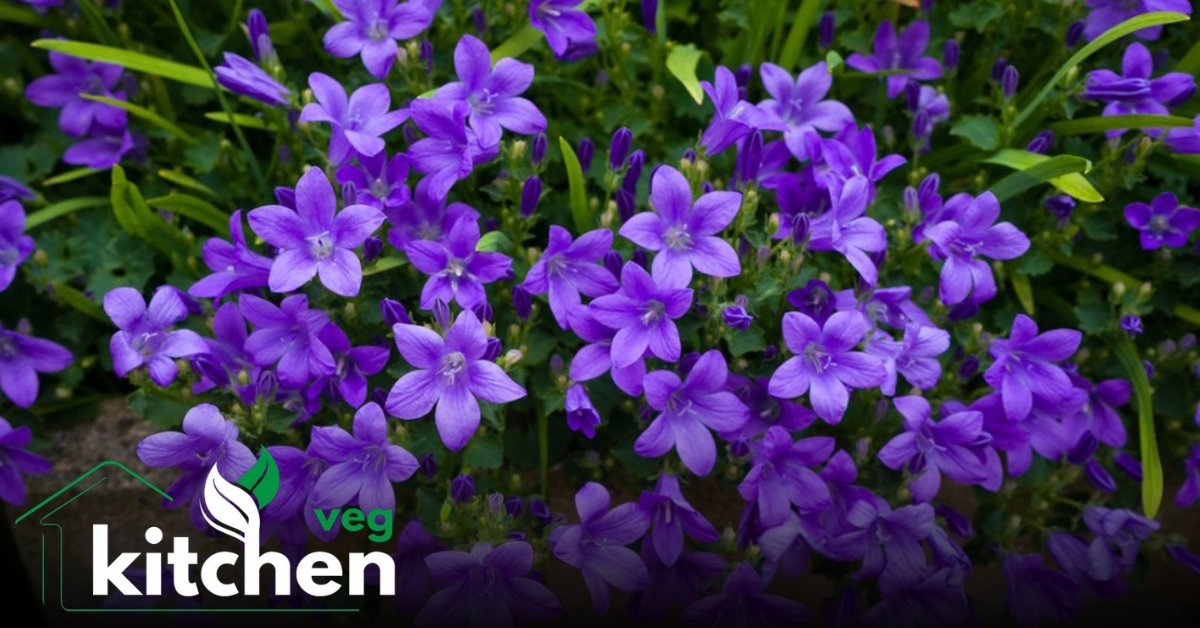
Bellflowers belong to the Campanulaceae family, encompassing over 500 species. These perennials, biennials, and annuals are named for their bell-shaped flowers, which come in shades of blue, purple, white, and pink.
Bellflowers are native to the Northern Hemisphere, particularly Europe and North America, flourishing in meadows, woodlands, and alpine regions. In addition to their beauty, gardeners often plant arugula seeds nearby, taking advantage of the diverse growing conditions suitable for both bellflowers and arugula.
Historical Significance and Cultural Importance
Throughout history, bellflowers have held various cultural and symbolic meanings. In ancient Greece, they were associated with the goddess Hera, symbolizing love and fertility. During the Victorian era, bellflowers represented gratitude and humility in the language of flowers. Today, they are often used in wedding bouquets and floral arrangements to convey everlasting love and affection.
Botanical Characteristics
Flower Structure
Bellflowers are characterized by their distinctive bell-shaped corollas, usually comprising five fused petals. The flowers can be solitary or arranged in racemes, panicles, or spikes. The blooming period varies by species, typically spanning from late spring to early autumn.
Leaves and Stems
The leaves of bellflowers are usually alternate, simple, and toothed or lobed, with a smooth or hairy texture. The stems can be erect, trailing, or clumping, depending on the species, and range from a few inches to several feet in height.
Root System
Bellflowers possess a fibrous root system, allowing them to anchor well in various soil types. Some species also produce rhizomes, facilitating vegetative propagation and forming dense colonies.
Popular Varieties of Bellflowers
Campanula carpatica (Carpathian Bellflower)
A compact perennial, the Carpathian bellflower features vibrant blue, purple, or white flowers. It is ideal for rock gardens, borders, and containers due to its low-growing habit.
Campanula poscharskyana (Serbian Bellflower)
Known for its cascading growth, the Serbian bellflower produces star-shaped blue or violet flowers. It is excellent for ground cover, rock walls, and hanging baskets.
Campanula persicifolia (Peach-leaved Bellflower)
With tall, graceful stems, this species bears large, cup-shaped blue or white flowers. It is commonly used in cottage gardens and mixed perennial borders.
Campanula rotundifolia (Harebell)
This delicate wildflower, also called the bluebell of Scotland, features slender stems and nodding blue flowers. It thrives in meadows, prairies, and rocky slopes.
Campanula medium (Canterbury Bells)
A biennial variety, Canterbury bells are renowned for their showy, bell-shaped blooms in blue, pink, and white. They are popular in cut flower arrangements and cottage gardens.
Ideal Growing Conditions
Soil Requirements
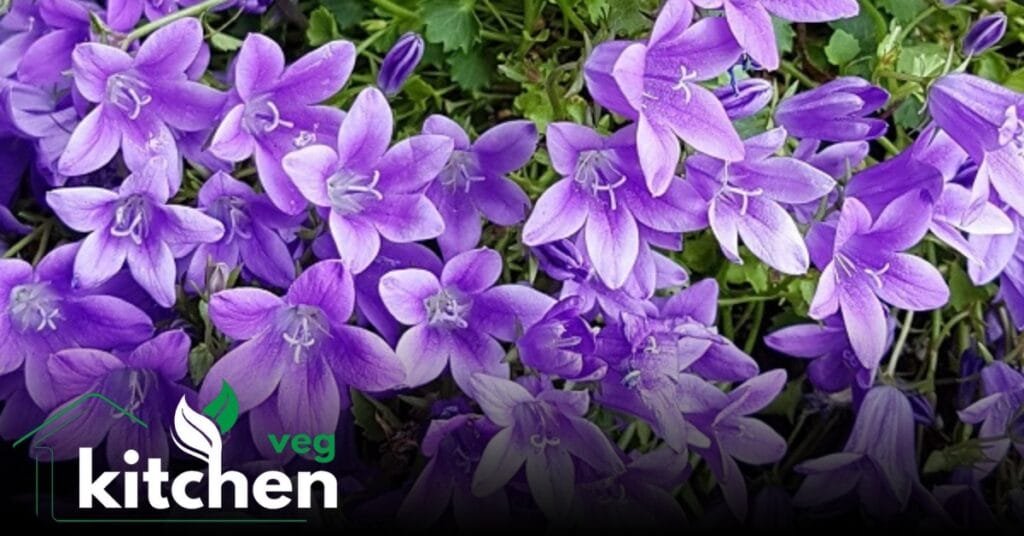
Bellflowers prefer well-drained, fertile soil with a neutral to slightly alkaline pH. Amending the soil with compost or organic matter enhances drainage and nutrient availability.
Light Preferences
Most bellflowers thrive in full sun to partial shade. While they can tolerate full sun, especially in cooler climates, providing some afternoon shade in hot regions helps prevent heat stress.
Watering Needs
Regular watering is crucial for bellflowers, especially during dry spells. Maintaining consistent soil moisture without waterlogging is key. Mulching helps retain soil moisture and regulate temperature.
Temperature and Humidity
Bellflowers are generally hardy, with many species tolerating USDA Hardiness Zones 3-8. They prefer moderate humidity levels and may struggle in extremely hot, humid conditions.
Propagation Techniques
Seed Propagation
Sowing seeds is a common method for propagating bellflowers. Start seeds indoors 6-8 weeks before the last frost date, or sow them directly in the garden after the danger of frost has passed. Lightly cover the seeds with soil and keep them moist until germination, which usually takes 2-4 weeks.
Division
Dividing mature plants in spring or fall is an effective way to propagate bellflowers. Carefully dig up the plant, separate the clumps, and replant them at the same depth. Water well after planting to establish the divisions.
Cuttings
Some bellflower species can be propagated from stem cuttings. Take 4-6 inch cuttings from healthy, non-flowering stems in late spring or early summer. Dip the cut ends in rooting hormone and plant them in a well-draining potting mix. Keep the cuttings moist and in a bright, indirect light location until roots develop.
Seasonal Care and Maintenance
Spring
In spring, remove any winter mulch and dead foliage to encourage new growth. Apply a balanced, slow-release fertilizer to support vigorous blooming. Divide and transplant overgrown clumps to rejuvenate the plants.
Summer
During the summer, deadhead spent flowers to promote continuous blooming and prevent self-seeding. Water regularly, especially during dry periods, and monitor for pests and diseases.
Fall
In the fall, cut back the foliage to ground level after the first frost. Mulch around the plants to protect the roots from winter temperatures. Collect seeds from mature pods if desired for propagation.
Winter
Bellflowers are generally hardy, but providing a layer of mulch helps protect them from freeze-thaw cycles. In harsh climates, additional protection, such as a cloche or frost blanket, may be necessary.
Pests and Diseases Management
Common Pests
Bellflowers are relatively pest-resistant, but aphids, slugs, and snails can occasionally cause damage. Regularly inspect plants and use insecticidal soap or natural predators like ladybugs to control aphids. For slugs and snails, use bait or traps and remove debris where they hide.
Disease Prevention
Fungal diseases such as powdery mildew and rust can affect bellflowers, particularly in humid conditions. Ensure good air circulation, avoid overhead watering, and apply fungicides if necessary. Removing and disposing of infected plant material helps prevent the spread of diseases.
Landscaping and Garden Design
Rock Gardens
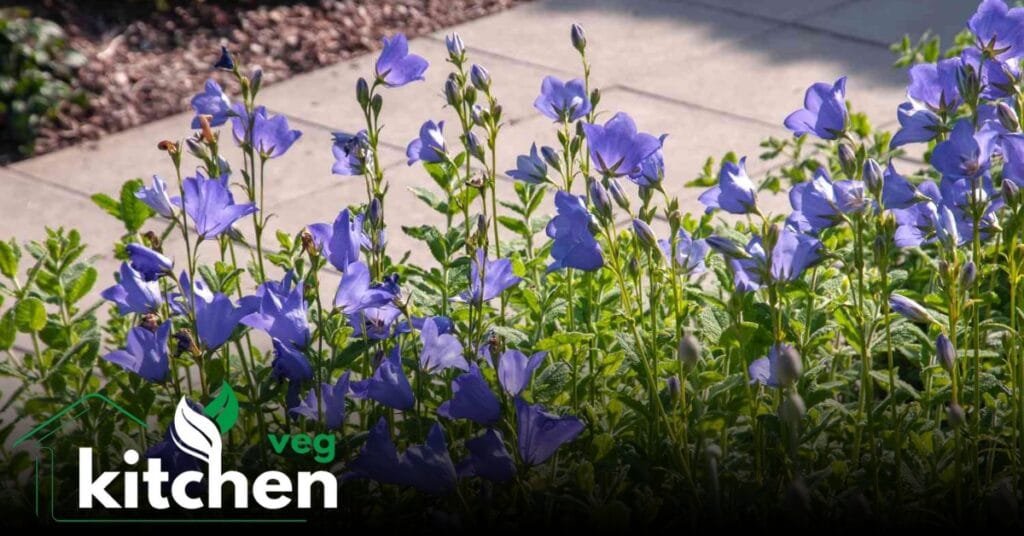
Compact bellflower varieties like the Carpathian bellflower are perfect for rock gardens, where their low-growing habit and vibrant blooms create a stunning display among stones and gravel.
Borders and Edging
Use taller bellflower varieties like peach-leaved bellflower for borders and edging. Their upright growth and showy flowers provide vertical interest and complement other perennials.
Ground Cover
Trailing species like Serbian bellflower make excellent ground covers, filling gaps with their lush foliage and abundant blooms. They are ideal for slopes, rock walls, and woodland gardens.
Container Gardening
Bellflowers adapt well to containers, allowing gardeners with limited space to enjoy their beauty. Ensure the containers have good drainage and use a high-quality potting mix. Combine bellflowers with other compatible plants for stunning mixed displays.
Medicinal and Culinary Uses
Medicinal Properties
Historically, bellflowers have been used in traditional medicine for their anti-inflammatory and astringent properties. The roots and leaves were used to treat respiratory ailments, wounds, and digestive issues. However, modern usage is rare, and caution is advised due to potential toxicity.
Culinary Uses
Some bellflower species, such as Campanula rapunculoides, have edible roots and leaves. These can be used in salads or cooked as greens, though they are not commonly consumed today. Always ensure proper identification before consuming any part of the plant.
Conclusion
Bellflowers, with their diverse species and enchanting blooms, are a valuable addition to any garden. From rock gardens and borders to containers and ground covers, they offer versatility and beauty throughout the growing season.
By understanding their growing requirements and providing proper care, gardeners can enjoy the timeless charm of bellflowers year after year. Whether for their historical significance, ornamental appeal, or occasional culinary uses, bellflowers continue to captivate and inspire gardeners around the world.
